
Most scholarship essays lose in the first paragraph — not because students can't write, but because they're telling the wrong story. Reviewers read hundreds of essays for a single award; the ones that win aren't the most polished, they're the most specific. Here's how to find the right story and structure it so reviewers remember you.
Why most essays lose early
The losing essay opens with a generality: "I am a hardworking student who deserves this scholarship." It tells the reviewer what the student is instead of showing what the student has done. Reviewers can't award a personality; they award evidence. If your first paragraph doesn't put a specific image in their mind, you've already blended in.
Find the right story
Before you write a word, ask yourself: what's the one experience that proves I'm the kind of person this scholarship is meant to invest in? It doesn't have to be dramatic. A sustained commitment — tutoring the same students for two years, holding a job that funded your family, leading a club through a real challenge — beats a dramatic one-time event every time. Choose the story that demonstrates the trait the scholarship rewards.
Structure that reviewers remember
A winning essay has three moves:
- Open in scene — drop the reader into a specific moment with concrete detail.
- Show the arc — explain what you did, what you learned, and how it changed you.
- Connect to the award — make explicit why this story makes you the right investment for this funder.
The opening that earns the read
Your first sentence should be a specific image, not a statement of purpose. "On Tuesday nights, I'm the only adult in a room of twelve fourth-graders who can't read at grade level" is a hook. "I have always been passionate about helping others" is not. The first earns the next paragraph; the second doesn't.
Revise for impact
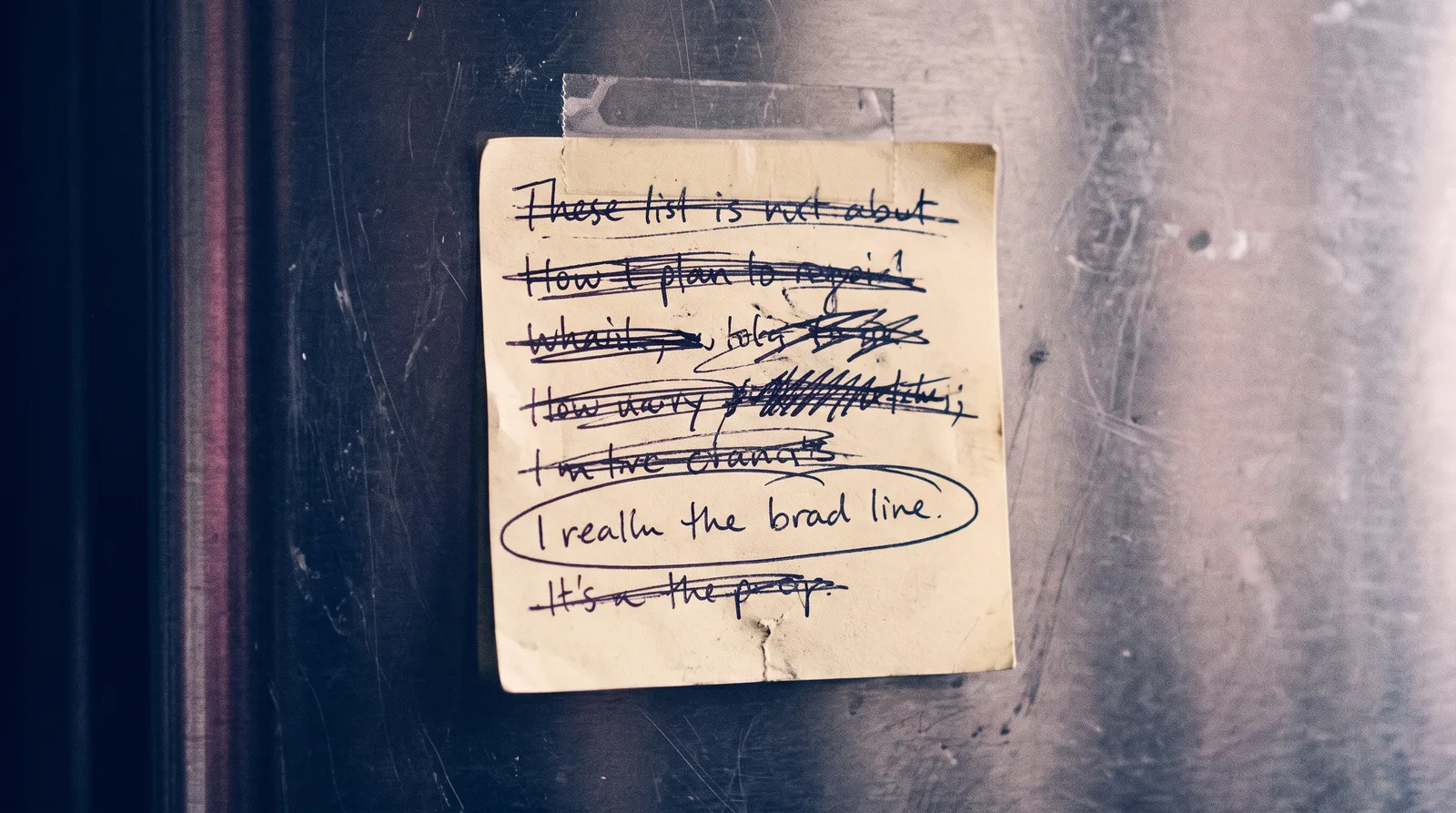
Your first draft is the story; your second draft is the essay. Cut every sentence that doesn't earn its place. Replace adjectives with verbs. Replace "I am passionate" with the action that proves it. Read it aloud — the sentences that trip you are the ones reviewers will stumble on too. The essay that wins isn't longer; it's tighter, more specific, and more honest.
Show Me The Money
Turn these notes into a structured, step-by-step practice — with progress tracking, assessments, and personalized guidance.
Explore the course
