













§ 06The Journal

Notes and Lessons from MIKAEL

Field notes on college access, scholarships, financial aid, and the AMCAS — distilled from 30+ years of evidence-based practice. Published on TeachClub; updated regularly.

Latest Article
FAFSA Deadlines 2027: The Proven Timeline to Maximize Your Financial Aid
College Access
October 26, 2026 5 min

FAFSA Deadlines 2027: The Proven Timeline to Maximize Your Financial Aid

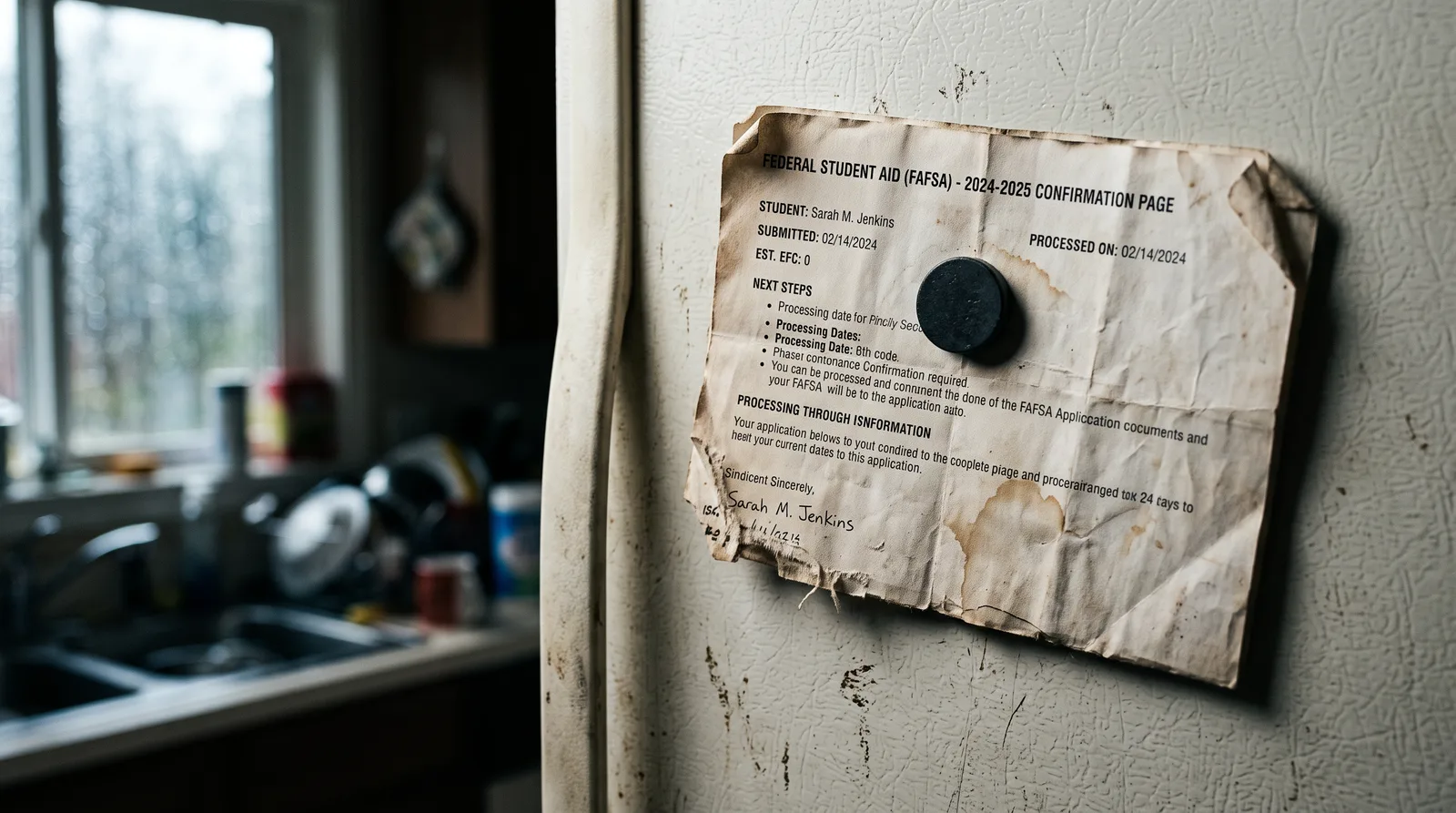
The FAFSA is open for the 2027–28 school year. Federal Student Aid announced that families could start submitting the form on September 23, 2026, earlier than the customary October 1 opening. If you’re applying to college for fall 2027, the most important deadline is the one that arrives first: it might be your college’s priority date, your state’s deadline, or a scholarship deadline tied to the FAFSA. Some state and institutional funds are limited, so filing early can improve your chance of being considered.

Inside the Workforce Gateway: A New Video Series for Every Route After High School
Career & Workforce
October 16, 2026 5 min

Inside the Workforce Gateway: A New Video Series for Every Route After High School

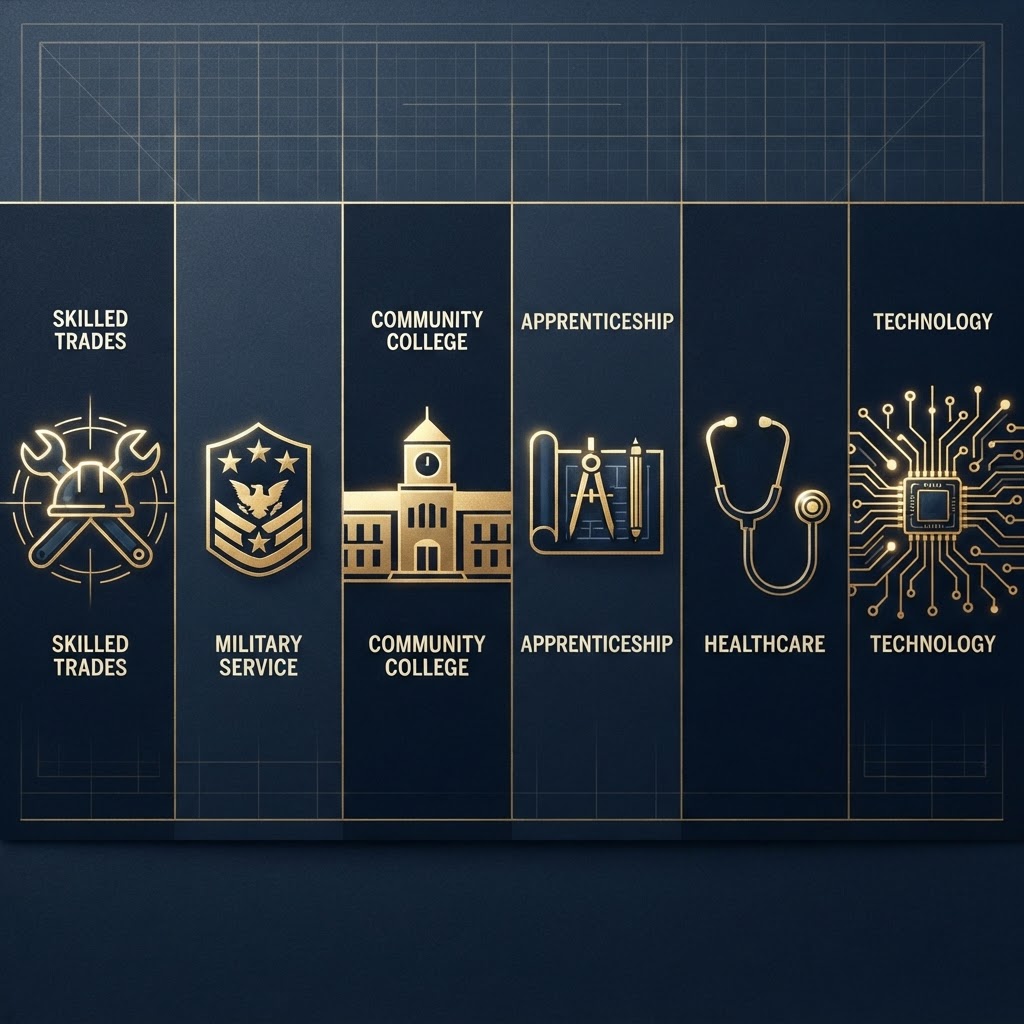
Not every road leads through a four-year degree. The Workforce Gateway maps six major postsecondary routes — university, community college, skilled trades, apprenticeship, military service, and direct-to-work — into one structured 12-week course. Now paired with a new video series that walks you through every pathway.

Institutional Licenses for TRIO Upward Bound, ETS, GEAR UP, and KIPP Programs
Institutional
October 16, 2026 6 min

Institutional Licenses for TRIO Upward Bound, ETS, GEAR UP, and KIPP Programs

A college-readiness framework built for first-generation and Pell-eligible students — now available as a 12-month institutional license at $3,499 for TRIO Upward Bound, Educational Talent Search, GEAR UP, and KIPP programs. Customized pricing for large institutional programs starts at $5,499.

Trade School vs College: The Ultimate Guide to Choosing Your Best Path
College Access
October 26, 2026 9 min

Trade School vs College: The Ultimate Guide to Choosing Your Best Path

Trade school or college? Compare cost, time, earnings, and learning style side by side to choose the training route that fits your goals — and learn why financial aid applies to both paths.

Trick or Treat? A Different Way to Think About College Planning
College Access
October 30, 2026 7 min

Trick or Treat? A Different Way to Think About College Planning

That haunted-looking house was full of the best candy on the block. College planning works the same way: the doors families are afraid to open hide the biggest opportunities.

How to Get Scholarships in 2027: 7 Mistakes That Quietly Cost Families Money (and How to Fix Them)
Scholarships & Financial Aid
November 6, 2026 8 min

How to Get Scholarships in 2027: 7 Mistakes That Quietly Cost Families Money (and How to Fix Them)

The families who win scholarships build a plan, not a pile of applications. Here are the seven mistakes that quietly cost families money in 2027 — and the fix for each one.

The Legal Gateway: How to Decide if Law School Is Worth It Before You Take the LSAT
Career Pathways
November 5, 2026 9 min

The Legal Gateway: How to Decide if Law School Is Worth It Before You Take the LSAT

Law school is an instrument, not an identity. Before the LSAT and before the debt, decide what the degree needs to do for you — then compare cost, outcomes, and alternatives with evidence.

The Nursing Gateway: Choosing the ADN or BSN Route Without Overpaying for It
Career Pathways
November 7, 2026 9 min

The Nursing Gateway: Choosing the ADN or BSN Route Without Overpaying for It

ADN or BSN? Both can lead to RN licensure — but only one verified route fits your finances and timeline. Here is how to compare the full journey before you commit.

The Engineering & STEM Gateway: Pick the Discipline First, Then Let the Degree Follow
Career Pathways
November 9, 2026 9 min

The Engineering & STEM Gateway: Pick the Discipline First, Then Let the Degree Follow

An engineering degree is a major commitment. Start with the problems you want to solve, check your math readiness, verify ABET accreditation on the exact program, and compare the full cost — then let the degree follow.

The Education & Teaching Gateway: A Career Plan That Survives Year Five
Career Pathways
November 11, 2026 10 min

The Education & Teaching Gateway: A Career Plan That Survives Year Five

Teaching can be meaningful work — if you choose your licensure route, grade band, and district with evidence. Here is how to build a classroom career that can adapt and sustain you past year five.

The Public Service & Government Gateway: Learning to Read the System That Hires
Career Pathways
November 13, 2026 9 min

The Public Service & Government Gateway: Learning to Read the System That Hires

Government hiring runs on rules most families have never been taught: competitive vs excepted service, the federal resume, qualification standards, pay grades, and PSLF. Here is how to read the system before you invest in a credential.

The Skilled-Trades Leadership Gateway: From Apprenticeship to Ownership
Career Pathways
November 15, 2026 9 min

The Skilled-Trades Leadership Gateway: From Apprenticeship to Ownership

"Not college" is not a career plan. A registered apprenticeship is a paid beginning, not a ceiling — and the trades are an ownership track: apprentice to journeyman to crew leader to contractor to owner.

Democracy in Action: The 2026 Midterm Elections and the Next Generation of Public Servants
Civic Education
November 5, 2026 11 min

Democracy in Action: The 2026 Midterm Elections and the Next Generation of Public Servants

The 2026 midterms are a living classroom in constitutional government. What the results teach students about representation, divided government, media literacy — and how civic experience builds the leadership capital that colleges notice.

Announcing the Professional Mentoring Network
Consulting
September 21, 2026 4 min

Announcing the Professional Mentoring Network

Direct Engagement clients now receive access to a year-round series of monthly sessions with terminal-degree professionals — physicians, pharmacists, scientists, attorneys, and PhD candidates from the nation's leading institutions. Students enrolled in The AMCAS Blueprint and The Graduate School Preparation Blueprint receive invitations with their subscriptions.

Introducing Mikael Davis Academy: A New Era of Evidence-Based College Access
College Access
September 19, 2026 6 min

Introducing Mikael Davis Academy: A New Era of Evidence-Based College Access

After 30 years and $38M+ in aid secured, Mikael Davis Consulting is evolving. The new Mikael Davis Academy brings the full evidence-based practice online — with self-paced courses, two digital e-book/audiobook bundles, and a personalized Digital Assistant accessible to every family.

What Is the AMCAS Application? A Beginner's Complete Overview
Medical School
September 12, 2026 5 min

What Is the AMCAS Application? A Beginner's Complete Overview

Most pre-med students don't realize AMCAS is the centralized gateway to nearly every MD program in the US — and misunderstanding its structure early leads to costly, hard-to-fix mistakes. Here's what you actually need to know before you touch the application.

First-Generation College Student? Here's Exactly Where to Start
College Access
September 12, 2026 5 min

First-Generation College Student? Here's Exactly Where to Start

When no one in your family has been through the college application process, it's hard to know what you don't know. These five foundational steps will get you moving in the right direction — before anything else.

How to Read a College Financial Aid Award Letter (Without Getting Tricked)
Financial Aid
September 12, 2026 4 min

How to Read a College Financial Aid Award Letter (Without Getting Tricked)

That thick financial aid offer looks generous — until you realize half of it is loans you have to repay. Here's exactly how to decode what a college is really offering you.

Common App vs. Coalition App: Which One Should You Use?
Applications
September 12, 2026 4 min

Common App vs. Coalition App: Which One Should You Use?

Picking the wrong application platform can quietly shrink your college list before you write a single word. Here's exactly how Common App and Coalition App differ — and how to choose the right one from day one.

Early Decision vs. Early Action: Which One Is Right for You?
Applications
September 10, 2026 4 min

Early Decision vs. Early Action: Which One Is Right for You?

Early Decision and Early Action both get your application in front of admissions committees sooner — but one could cost you serious financial aid leverage. Here's how to tell which strategy is the right move for your family.

What Is the FAFSA EFC (SAI) — and Why It Determines How Much College Will Actually Cost You
Financial Aid
September 10, 2026 4 min

What Is the FAFSA EFC (SAI) — and Why It Determines How Much College Will Actually Cost You

Most families fixate on a college's sticker price — but the number that actually determines what you'll pay is hiding inside your FAFSA. Here's what the Student Aid Index is, how it's calculated, and why understanding it changes everything about your college search.

How to Write a Scholarship Essay That Wins: A Beginner's Step-by-Step Guide
Scholarships
September 10, 2026 4 min

How to Write a Scholarship Essay That Wins: A Beginner's Step-by-Step Guide

Most scholarship essays lose in the first paragraph — not because students can't write, but because they're telling the wrong story. Here's how to find the right one and structure it so reviewers remember you.

Need-Based Aid vs. Merit Scholarships: What's the Difference — and How Do You Get Both?
Financial Aid
September 10, 2026 5 min

Need-Based Aid vs. Merit Scholarships: What's the Difference — and How Do You Get Both?

Most students chase one type of college money and leave the other on the table. Here's how need-based aid and merit scholarships actually work — and how to position yourself to stack both.

The Beginner's Roadmap to Winning Scholarships in High School
Scholarships
September 8, 2026 5 min

The Beginner's Roadmap to Winning Scholarships in High School

Most students don't start thinking about scholarships until senior year — and that's exactly why they leave money on the table. Here's the grade-by-grade strategy that puts you ahead of the competition from day one.

How to Build a College Application That Actually Stands Out (Step-by-Step)
Applications
September 8, 2026 4 min

How to Build a College Application That Actually Stands Out (Step-by-Step)

A strong college application is more than grades and test scores — it's a cohesive story told across every section. Here's how to build one that admissions readers actually remember.

FAFSA vs. CSS Profile: What's the Difference and Which One Do You Need?
Financial Aid
September 8, 2026 4 min

FAFSA vs. CSS Profile: What's the Difference and Which One Do You Need?

Many families file one form and skip the other — and it costs them thousands. Here's exactly what the FAFSA and CSS Profile each do, who requires both, and how to tackle them without missing a deadline.

5 Scholarship Application Mistakes That Are Costing You Free Money
Scholarships
September 8, 2026 4 min

5 Scholarship Application Mistakes That Are Costing You Free Money

Generic essays, missed deadlines, and overlooked local awards are silently draining thousands of dollars from your financial aid package. Here's how to fix each mistake before it costs you.

MA vs. MBA vs. PhD vs. EdD vs. EdS vs. MSW vs. DPT vs. DO vs. MD: Which Graduate Degree Is Right for You?
Graduate School
September 19, 2026 8 min

MA vs. MBA vs. PhD vs. EdD vs. EdS vs. MSW vs. DPT vs. DO vs. MD: Which Graduate Degree Is Right for You?

Choosing the wrong graduate degree can cost you years of your life and hundreds of thousands of dollars. Here's a clear, field-by-field breakdown of what each degree actually prepares you to do — and how to choose the right path before you apply.

Go deeper than a blog post

The Ultimate College Access Blueprint

From the SORO Journal

More from Mikael Davis

AMCAS Activities Section Examples That Work

AMCAS Activities Section Examples That Work

A strong AMCAS activity is not a job description with a medical label attached. It is a brief, credible piece of evidence showing how you have tested your interest in medicine, served other people, developed skills, and reflected on responsibility. The best AMCAS activities section examples do not try to make every experience sound life-changing. They make the applicant's role, growth, and contribution easy to understand.

This matters because the Work and Activities section has limited space but substantial weight. You may enter up to 15 experiences, and each standard description has a tight character limit. Three experiences can be designated as Most Meaningful, with additional space to explain their impact. The goal is not to fill every slot. The goal is to create a balanced, truthful record that helps a reader see the person behind your metrics.

What Makes an AMCAS Activity Entry Effective

Admissions readers need context quickly. For each entry, answer four questions in a natural sequence: What did you do? Who did you serve or work with? What responsibility did you hold? What did the experience teach you about medicine, people, or your own preparation?

Specificity creates credibility. “Volunteered at a hospital” says very little. “Escorted patients from the emergency department to imaging, restocked discharge materials, and learned how delays and unclear instructions can heighten patient anxiety” shows a real role and a thoughtful observation.

Reflection should be proportionate to the experience. A short-term volunteer assignment may have clarified the importance of respectful communication. It probably did not transform your entire understanding of health care. Readers can recognize inflated language. Honest reflection is more persuasive than dramatic claims.

Your entries should also work together. Clinical exposure, service, research, leadership, employment, teaching, and meaningful personal commitments can each strengthen an application. A student who worked 25 hours a week to support family finances should not minimize that responsibility simply because it was not medically related. Medicine requires reliability, judgment, collaboration, and sustained service. Those qualities develop in many settings.

AMCAS Activities Section Examples by Experience Type

The examples below are models of structure and level of detail, not scripts to copy. Your entry must reflect your own responsibilities, dates, hours, and insight.

Clinical volunteer experience

Community Hospital Emergency Department Volunteer

I volunteered weekly in a busy emergency department, escorting patients to imaging, delivering comfort items, and helping staff maintain stocked waiting areas. I learned to approach each patient with calm, clear communication, especially when long waits or uncertainty created frustration. Observing nurses coordinate rapid decisions while protecting patient dignity showed me that clinical efficiency and compassion must operate together.

Why this works: It identifies concrete duties, places the applicant in a clinical environment, and connects observation to a realistic lesson. It does not claim responsibility for patient care that belongs to trained staff.

Paid clinical employment

Medical Assistant, Family Medicine Clinic

As a medical assistant, I prepared examination rooms, obtained vital signs, reconciled medications, documented patient concerns for the care team, and supported Spanish-speaking patients using approved interpretation resources. Repeated contact with patients managing diabetes and hypertension taught me how transportation, work schedules, and medication cost can affect treatment plans. I became more attentive to the gap between a plan that is medically sound and one a patient can realistically carry out.

Why this works: Paid work can demonstrate sustained responsibility. The final sentences connect daily tasks to social factors that affect health without overstating the applicant's authority or expertise.

Community service

Food Pantry Client Support Volunteer

At a neighborhood food pantry, I helped clients complete intake forms, organized weekly distributions, and coordinated with volunteers to accommodate older adults and families with young children. Conversations with clients made food insecurity visible as a health concern, not simply an economic one. I saw how respectful service begins with protecting privacy, listening without assumptions, and making help easier to access.

Service does not need to be clinical to matter. In fact, nonclinical service can be one of the clearest ways to show that you consistently work with people facing barriers different from your own.

Research

Undergraduate Research Assistant, Cancer Biology Lab

I supported a cancer biology project by maintaining cell cultures, preparing samples, recording experimental results, and presenting a poster at our undergraduate research symposium. When early results varied, I learned to check protocols, document errors, and discuss unexpected findings rather than force a conclusion. Research strengthened my respect for careful evidence and for the persistence required to move from a question to a defensible answer.

Avoid presenting research as more independent than it was. Name your actual contribution, whether that involved recruitment, data cleaning, literature review, laboratory work, analysis, or dissemination. A modest but clearly explained role is stronger than vague claims of “leading research.”

Leadership and teaching

Peer Chemistry Tutor and Supplemental Instruction Leader

I led weekly review sessions for general chemistry students, created practice problems, and met individually with students who were struggling after their first exams. I learned to replace one-size-fits-all explanations with questions that revealed where a student's reasoning broke down. Helping students regain confidence reinforced that effective teaching requires preparation, patience, and the humility to adjust your approach.

This entry shows leadership through action rather than title alone. Whether you were a resident assistant, team captain, club officer, or mentor, explain what you changed, organized, supported, or improved.

Choosing Your Most Meaningful Experiences

Designating an activity as Most Meaningful is not an award for the most prestigious position. Choose the experiences that most clearly shaped your commitment, values, or direction. For many applicants, that may include a sustained clinical role, a long-term service commitment, a significant family responsibility, research, or employment.

Use the additional space to go deeper than the standard description. Do not repeat duties. Instead, describe a specific moment, pattern, challenge, or relationship that changed how you think. Protect confidentiality by leaving out names and identifying details.

For example, a Most Meaningful reflection on hospice volunteering might explain how sitting with patients and families changed the applicant's understanding of presence when a cure is no longer possible. A reflection on caregiving might explain how coordinating appointments and medications revealed the burden placed on families navigating fragmented care. The focus should remain on what happened, what you learned, and how that learning now informs your path.

Common Mistakes That Weaken Good Experiences

The first mistake is treating the section as a résumé. Résumés prioritize concise duties; AMCAS entries need concise duties plus reflection. The second is using space to praise yourself with words such as “passionate,” “compassionate,” or “dedicated” without proof. Let the work demonstrate those qualities.

Another mistake is forcing every activity to connect directly to medicine. Your orchestra, retail job, varsity sport, religious community, or family role can belong in the application if it was meaningful and sustained. Explain its value honestly. A cashier position may show financial responsibility, conflict resolution, teamwork, and consistent service under pressure.

Finally, do not use the section to compensate for missing experiences by making limited involvement sound extensive. Verify dates, total hours, supervisor information, and titles before submission. Accuracy is part of professionalism.

A Practical Revision Method

Draft each entry without watching the character counter. Then cut until every sentence earns its place. Start with the role and setting, add two or three specific responsibilities, and finish with one insight grounded in what you observed or contributed. Read the entry aloud. If it sounds like it could belong to any applicant, add detail. If it sounds like a personal statement compressed into a few sentences, simplify it.

Before finalizing, review the full section as a portfolio. Can a reader see sustained service? Do your clinical experiences show informed exposure rather than passive shadowing alone? Are your strongest commitments given enough context? Are there gaps that need explanation, or entries that add little beyond another similar activity?

Applicants who want a more structured review can use the AMCAS Blueprint approach: inventory experiences, identify the competencies each one demonstrates, select Most Meaningful entries strategically, and revise for clarity before submitting. This process helps replace scattered activity descriptions with an application narrative supported by evidence.

Your activities do not need to resemble anyone else's to be compelling. They need to show a record of responsibility, service, curiosity, and reflection that is genuinely yours. Start with the experiences where you showed up consistently, tell the truth about what you did, and give each lesson enough detail to be believed.