














§ 06The Journal

Notes and Lessons from MIKAEL

Field notes on college access, scholarships, financial aid, and the AMCAS — distilled from 30+ years of evidence-based practice. Published on TeachClub; updated regularly.

Latest Article
FAFSA Deadlines 2027: The Proven Timeline to Maximize Your Financial Aid
College Access
October 26, 2026 5 min

FAFSA Deadlines 2027: The Proven Timeline to Maximize Your Financial Aid

The FAFSA is open for the 2027–28 school year. Federal Student Aid announced that families could start submitting the form on September 23, 2026, earlier than the customary October 1 opening. If you’re applying to college for fall 2027, the most important deadline is the one that arrives first: it might be your college’s priority date, your state’s deadline, or a scholarship deadline tied to the FAFSA. Some state and institutional funds are limited, so filing early can improve your chance of being considered.

Inside the Workforce Gateway: A New Video Series for Every Route After High School
Career & Workforce
October 16, 2026 5 min

Inside the Workforce Gateway: A New Video Series for Every Route After High School

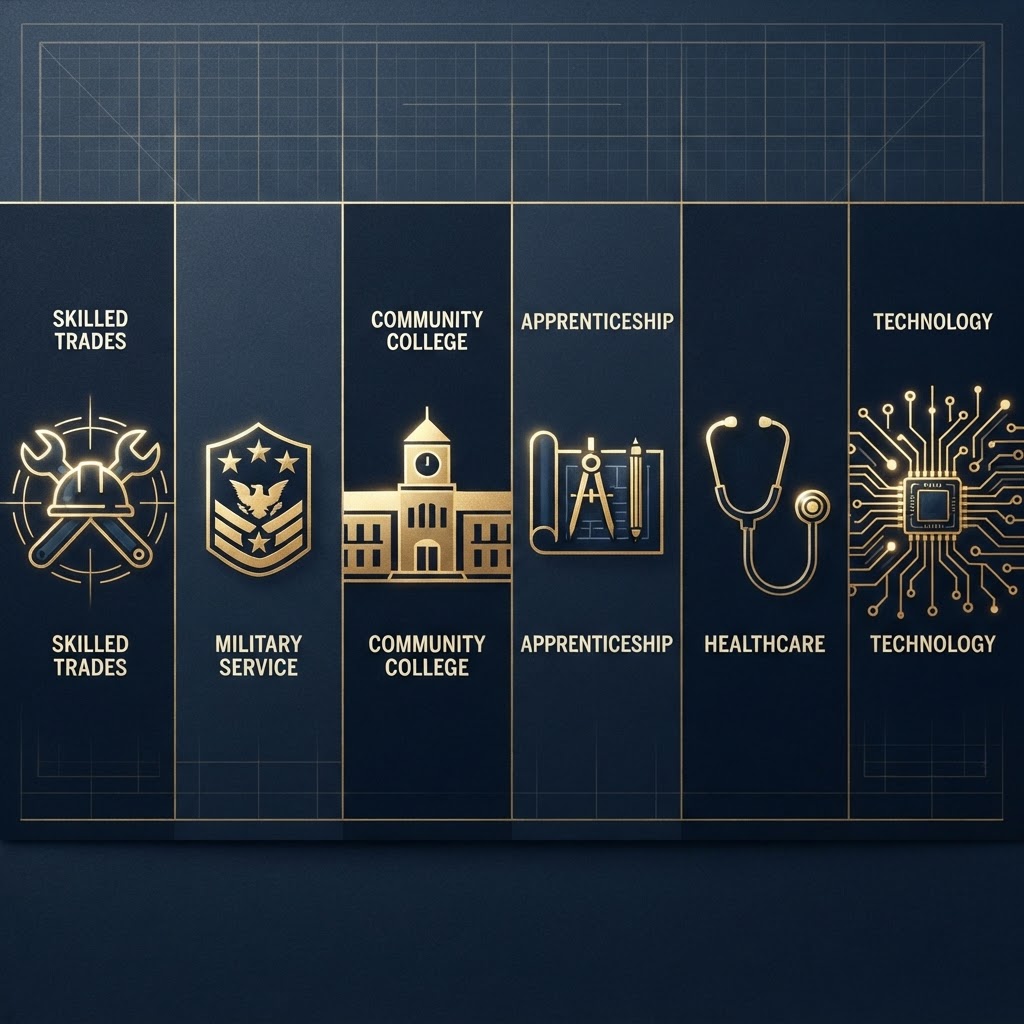
Not every road leads through a four-year degree. The Workforce Gateway maps six major postsecondary routes — university, community college, skilled trades, apprenticeship, military service, and direct-to-work — into one structured 12-week course. Now paired with a new video series that walks you through every pathway.

Institutional Licenses for TRIO Upward Bound, ETS, GEAR UP, and KIPP Programs
Institutional
October 16, 2026 6 min

Institutional Licenses for TRIO Upward Bound, ETS, GEAR UP, and KIPP Programs

A college-readiness framework built for first-generation and Pell-eligible students — now available as a 12-month institutional license at $3,499 for TRIO Upward Bound, Educational Talent Search, GEAR UP, and KIPP programs. Customized pricing for large institutional programs starts at $5,499.

Trade School vs College: The Ultimate Guide to Choosing Your Best Path
College Access
October 26, 2026 9 min

Trade School vs College: The Ultimate Guide to Choosing Your Best Path

Trade school or college? Compare cost, time, earnings, and learning style side by side to choose the training route that fits your goals — and learn why financial aid applies to both paths.

Trick or Treat? A Different Way to Think About College Planning
College Access
October 30, 2026 7 min

Trick or Treat? A Different Way to Think About College Planning

That haunted-looking house was full of the best candy on the block. College planning works the same way: the doors families are afraid to open hide the biggest opportunities.

How to Get Scholarships in 2027: 7 Mistakes That Quietly Cost Families Money (and How to Fix Them)
Scholarships & Financial Aid
November 6, 2026 8 min

How to Get Scholarships in 2027: 7 Mistakes That Quietly Cost Families Money (and How to Fix Them)

The families who win scholarships build a plan, not a pile of applications. Here are the seven mistakes that quietly cost families money in 2027 — and the fix for each one.

The Legal Gateway: How to Decide if Law School Is Worth It Before You Take the LSAT
Career Pathways
November 5, 2026 9 min

The Legal Gateway: How to Decide if Law School Is Worth It Before You Take the LSAT

Law school is an instrument, not an identity. Before the LSAT and before the debt, decide what the degree needs to do for you — then compare cost, outcomes, and alternatives with evidence.

The Nursing Gateway: Choosing the ADN or BSN Route Without Overpaying for It
Career Pathways
November 7, 2026 9 min

The Nursing Gateway: Choosing the ADN or BSN Route Without Overpaying for It

ADN or BSN? Both can lead to RN licensure — but only one verified route fits your finances and timeline. Here is how to compare the full journey before you commit.

The Engineering & STEM Gateway: Pick the Discipline First, Then Let the Degree Follow
Career Pathways
November 9, 2026 9 min

The Engineering & STEM Gateway: Pick the Discipline First, Then Let the Degree Follow

An engineering degree is a major commitment. Start with the problems you want to solve, check your math readiness, verify ABET accreditation on the exact program, and compare the full cost — then let the degree follow.

The Education & Teaching Gateway: A Career Plan That Survives Year Five
Career Pathways
November 11, 2026 10 min

The Education & Teaching Gateway: A Career Plan That Survives Year Five

Teaching can be meaningful work — if you choose your licensure route, grade band, and district with evidence. Here is how to build a classroom career that can adapt and sustain you past year five.

The Public Service & Government Gateway: Learning to Read the System That Hires
Career Pathways
November 13, 2026 9 min

The Public Service & Government Gateway: Learning to Read the System That Hires

Government hiring runs on rules most families have never been taught: competitive vs excepted service, the federal resume, qualification standards, pay grades, and PSLF. Here is how to read the system before you invest in a credential.

The Skilled-Trades Leadership Gateway: From Apprenticeship to Ownership
Career Pathways
November 15, 2026 9 min

The Skilled-Trades Leadership Gateway: From Apprenticeship to Ownership

"Not college" is not a career plan. A registered apprenticeship is a paid beginning, not a ceiling — and the trades are an ownership track: apprentice to journeyman to crew leader to contractor to owner.

Democracy in Action: The 2026 Midterm Elections and the Next Generation of Public Servants
Civic Education
November 5, 2026 11 min

Democracy in Action: The 2026 Midterm Elections and the Next Generation of Public Servants

The 2026 midterms are a living classroom in constitutional government. What the results teach students about representation, divided government, media literacy — and how civic experience builds the leadership capital that colleges notice.

Announcing the Professional Mentoring Network
Consulting
September 21, 2026 4 min

Announcing the Professional Mentoring Network

Direct Engagement clients now receive access to a year-round series of monthly sessions with terminal-degree professionals — physicians, pharmacists, scientists, attorneys, and PhD candidates from the nation's leading institutions. Students enrolled in The AMCAS Blueprint and The Graduate School Preparation Blueprint receive invitations with their subscriptions.

Introducing Mikael Davis Academy: A New Era of Evidence-Based College Access
College Access
September 19, 2026 6 min

Introducing Mikael Davis Academy: A New Era of Evidence-Based College Access

After 30 years and $38M+ in aid secured, Mikael Davis Consulting is evolving. The new Mikael Davis Academy brings the full evidence-based practice online — with self-paced courses, two digital e-book/audiobook bundles, and a personalized Digital Assistant accessible to every family.

What Is the AMCAS Application? A Beginner's Complete Overview
Medical School
September 12, 2026 5 min

What Is the AMCAS Application? A Beginner's Complete Overview

Most pre-med students don't realize AMCAS is the centralized gateway to nearly every MD program in the US — and misunderstanding its structure early leads to costly, hard-to-fix mistakes. Here's what you actually need to know before you touch the application.

First-Generation College Student? Here's Exactly Where to Start
College Access
September 12, 2026 5 min

First-Generation College Student? Here's Exactly Where to Start

When no one in your family has been through the college application process, it's hard to know what you don't know. These five foundational steps will get you moving in the right direction — before anything else.

How to Read a College Financial Aid Award Letter (Without Getting Tricked)
Financial Aid
September 12, 2026 4 min

How to Read a College Financial Aid Award Letter (Without Getting Tricked)

That thick financial aid offer looks generous — until you realize half of it is loans you have to repay. Here's exactly how to decode what a college is really offering you.

Common App vs. Coalition App: Which One Should You Use?
Applications
September 12, 2026 4 min

Common App vs. Coalition App: Which One Should You Use?

Picking the wrong application platform can quietly shrink your college list before you write a single word. Here's exactly how Common App and Coalition App differ — and how to choose the right one from day one.

Early Decision vs. Early Action: Which One Is Right for You?
Applications
September 10, 2026 4 min

Early Decision vs. Early Action: Which One Is Right for You?

Early Decision and Early Action both get your application in front of admissions committees sooner — but one could cost you serious financial aid leverage. Here's how to tell which strategy is the right move for your family.

What Is the FAFSA EFC (SAI) — and Why It Determines How Much College Will Actually Cost You
Financial Aid
September 10, 2026 4 min

What Is the FAFSA EFC (SAI) — and Why It Determines How Much College Will Actually Cost You

Most families fixate on a college's sticker price — but the number that actually determines what you'll pay is hiding inside your FAFSA. Here's what the Student Aid Index is, how it's calculated, and why understanding it changes everything about your college search.

How to Write a Scholarship Essay That Wins: A Beginner's Step-by-Step Guide
Scholarships
September 10, 2026 4 min

How to Write a Scholarship Essay That Wins: A Beginner's Step-by-Step Guide

Most scholarship essays lose in the first paragraph — not because students can't write, but because they're telling the wrong story. Here's how to find the right one and structure it so reviewers remember you.

Need-Based Aid vs. Merit Scholarships: What's the Difference — and How Do You Get Both?
Financial Aid
September 10, 2026 5 min

Need-Based Aid vs. Merit Scholarships: What's the Difference — and How Do You Get Both?

Most students chase one type of college money and leave the other on the table. Here's how need-based aid and merit scholarships actually work — and how to position yourself to stack both.

The Beginner's Roadmap to Winning Scholarships in High School
Scholarships
September 8, 2026 5 min

The Beginner's Roadmap to Winning Scholarships in High School

Most students don't start thinking about scholarships until senior year — and that's exactly why they leave money on the table. Here's the grade-by-grade strategy that puts you ahead of the competition from day one.

How to Build a College Application That Actually Stands Out (Step-by-Step)
Applications
September 8, 2026 4 min

How to Build a College Application That Actually Stands Out (Step-by-Step)

A strong college application is more than grades and test scores — it's a cohesive story told across every section. Here's how to build one that admissions readers actually remember.

FAFSA vs. CSS Profile: What's the Difference and Which One Do You Need?
Financial Aid
September 8, 2026 4 min

FAFSA vs. CSS Profile: What's the Difference and Which One Do You Need?

Many families file one form and skip the other — and it costs them thousands. Here's exactly what the FAFSA and CSS Profile each do, who requires both, and how to tackle them without missing a deadline.

5 Scholarship Application Mistakes That Are Costing You Free Money
Scholarships
September 8, 2026 4 min

5 Scholarship Application Mistakes That Are Costing You Free Money

Generic essays, missed deadlines, and overlooked local awards are silently draining thousands of dollars from your financial aid package. Here's how to fix each mistake before it costs you.

MA vs. MBA vs. PhD vs. EdD vs. EdS vs. MSW vs. DPT vs. DO vs. MD: Which Graduate Degree Is Right for You?
Graduate School
September 19, 2026 8 min

MA vs. MBA vs. PhD vs. EdD vs. EdS vs. MSW vs. DPT vs. DO vs. MD: Which Graduate Degree Is Right for You?

Choosing the wrong graduate degree can cost you years of your life and hundreds of thousands of dollars. Here's a clear, field-by-field breakdown of what each degree actually prepares you to do — and how to choose the right path before you apply.

Go deeper than a blog post

The Ultimate College Access Blueprint

From the SORO Journal

More from Mikael Davis

Parents' Guide to College Admissions Planning

Parents' Guide to College Admissions Planning

College admissions can make a family feel as if every grade, activity, essay, and email carries permanent consequences. This parents' guide to college admissions offers a better approach: create a clear process, keep the student in the driver's seat, and make decisions based on academic fit and affordability rather than pressure.

For many families, the hardest part is not a lack of effort. It is the flood of conflicting advice. One source says to apply broadly, another says to focus narrowly. One family hears that a prestigious college is worth any cost, while another learns too late that a strong financial-aid strategy could have changed the options. A structured plan turns this uncertainty into manageable work.

Define the Parent Role Early

Parents and guardians should be active partners, but the application must remain the student's work and voice. Colleges are admitting a learner who will need to manage deadlines, ask for help, solve problems, and participate in a campus community. When adults take over every task, students lose the chance to demonstrate those skills.

Your role is to provide structure, context, and accountability. Help create a shared calendar, set aside time for campus research, proofread for clarity, and discuss what the family can realistically afford. Ask questions that move the process forward: What did you learn about this program? Which essay prompt gives you room to tell a meaningful story? What information do we still need before adding this college to the list?

Support Without Replacing the Student

A useful rule is that the student should control the application portal, email account, and final submissions. Parents can sit beside them while they complete forms, but they should not write essays, contact admissions offices as the applicant, or make promises on the student's behalf.

This boundary protects integrity and builds confidence. It also prevents a common problem: a parent knows the details of every deadline, while the student does not. The student will need these organizational habits long after admission decisions arrive.

Build a College List Around Fit

A college list is not a trophy case. It is a set of possible academic, financial, and personal futures. Rankings may be one data point, but they cannot tell a family whether a college offers the right major, advising, support services, learning environment, or price.

Begin with the student's academic interests and likely direction. A student who is unsure of a major should look for colleges with exploration opportunities and strong advising. A student committed to engineering, nursing, business, the arts, or another specialized path should confirm that the program is available, accessible, and aligned with career goals.

Then consider the daily experience. Class size, distance from home, campus culture, transportation, housing, disability services, tutoring, internship access, and student organizations all matter. A school can be highly selective and still be the wrong fit. A less familiar institution may offer stronger mentoring, lower costs, and better opportunities to graduate on time.

Create a balanced list that includes likely, target, and reach options. These categories should be based on the student's academic profile in relation to the institution's typical admitted students, not on hope alone. Every college on the final list should be a place the student would genuinely consider attending.

Research the Real Cost, Not Just Tuition

Tuition is only one part of the bill. Families should compare total cost of attendance, including housing, meals, books, transportation, fees, and personal expenses. Then examine the likely net cost after grants and scholarships, not simply the advertised price.

A college with a higher tuition figure may provide substantial need-based aid. Another school with lower tuition may leave a larger gap after aid. Cost can also change after the first year, so ask whether scholarships renew, what academic standards apply, and whether grant aid has historically remained stable.

Use a Family Calendar With Earlier Deadlines

Admissions rewards steady progress. Waiting until senior fall to discuss college goals often creates unnecessary stress, especially when financial aid, testing, recommendations, and early application options are involved.

Start with a family calendar that captures school-specific admission deadlines, scholarship deadlines, financial-aid requirements, test dates if applicable, campus visits, essay milestones, and recommendation requests. Set internal deadlines at least one to two weeks before official deadlines. That cushion leaves room for technical problems, a missing document, or a needed revision.

For students in earlier high school years, the goal is not to manufacture a perfect resume. It is to build a record of genuine engagement. Consistent commitment to a job, family responsibility, sport, club, service activity, artistic pursuit, or academic interest can be more meaningful than a crowded list of short-term activities.

Senior-year students need a simpler focus: finish applications accurately and protect academic performance. A decline in effort after applications are submitted can affect admission outcomes and scholarship eligibility.

Treat Financial Aid as Part of Admissions

An admission offer without an affordable plan is not a complete opportunity. Families should approach financial aid with the same care they give essays and applications.

Gather tax information, records of savings and investments, documentation of untaxed income when relevant, and details about unusual financial circumstances. File required financial-aid forms as early as possible after they become available, while checking each college's instructions. Some institutions require additional materials, and scholarship deadlines may arrive before regular admission deadlines.

Avoid assumptions about eligibility. Families with moderate incomes, homeowners, small-business owners, and families with more than one student in college may have options worth investigating. At the same time, families should be realistic about borrowing. Federal student loans, parent loans, private loans, and work-study have different terms and consequences. A package that fills the bill with loans requires a different conversation than one built around grants and scholarships.

If your financial situation changes because of job loss, medical expenses, reduced hours, divorce, or another serious event, ask the financial-aid office about its process for reviewing special circumstances. Documentation matters. A respectful, well-organized request is more effective than a vague appeal.

Mikael Davis Academy's education-access approach is grounded in 30 years of strategy and more than $38 million in aid secured, because affordability should be planned for rather than treated as an afterthought.

Help Students Present an Honest, Focused Application

Strong applications are coherent. They show how a student has used available opportunities, responded to challenges, contributed to others, and developed interests over time. They do not require a dramatic life story or a resume packed with titles.

Parents can be especially helpful during the essay process by listening. Ask the student to explain what they want an admissions reader to understand about them. Point out places where an example needs more detail or where the writing sounds unlike the student. Do not rewrite the essay into adult language. Authenticity is a strength, and admissions readers can recognize when an essay has been overly managed.

Recommendation letters also require planning. Students should ask teachers, counselors, coaches, or supervisors who know their work well, ideally well before the deadline. A short resume or activity summary can help recommenders remember important contributions, but it should never become a script for praise.

Compare Offers Before Making a Commitment

When decisions arrive, emotions run high. Give the family room to celebrate, but pause before committing. Compare each offer side by side: direct costs, grants, scholarships, expected loans, renewal requirements, major availability, housing, travel, and the support the student will need to thrive.

A larger scholarship is not automatically the better offer if it depends on difficult-to-maintain conditions. Likewise, a college with fewer headline advantages may be the wisest choice if it reduces debt, offers a strong program, and gives the student a realistic path to graduation.

The most valuable outcome is not simply an acceptance letter. It is a college plan that a student can enter with purpose, afford with clarity, and use to move confidently toward the future they want.