















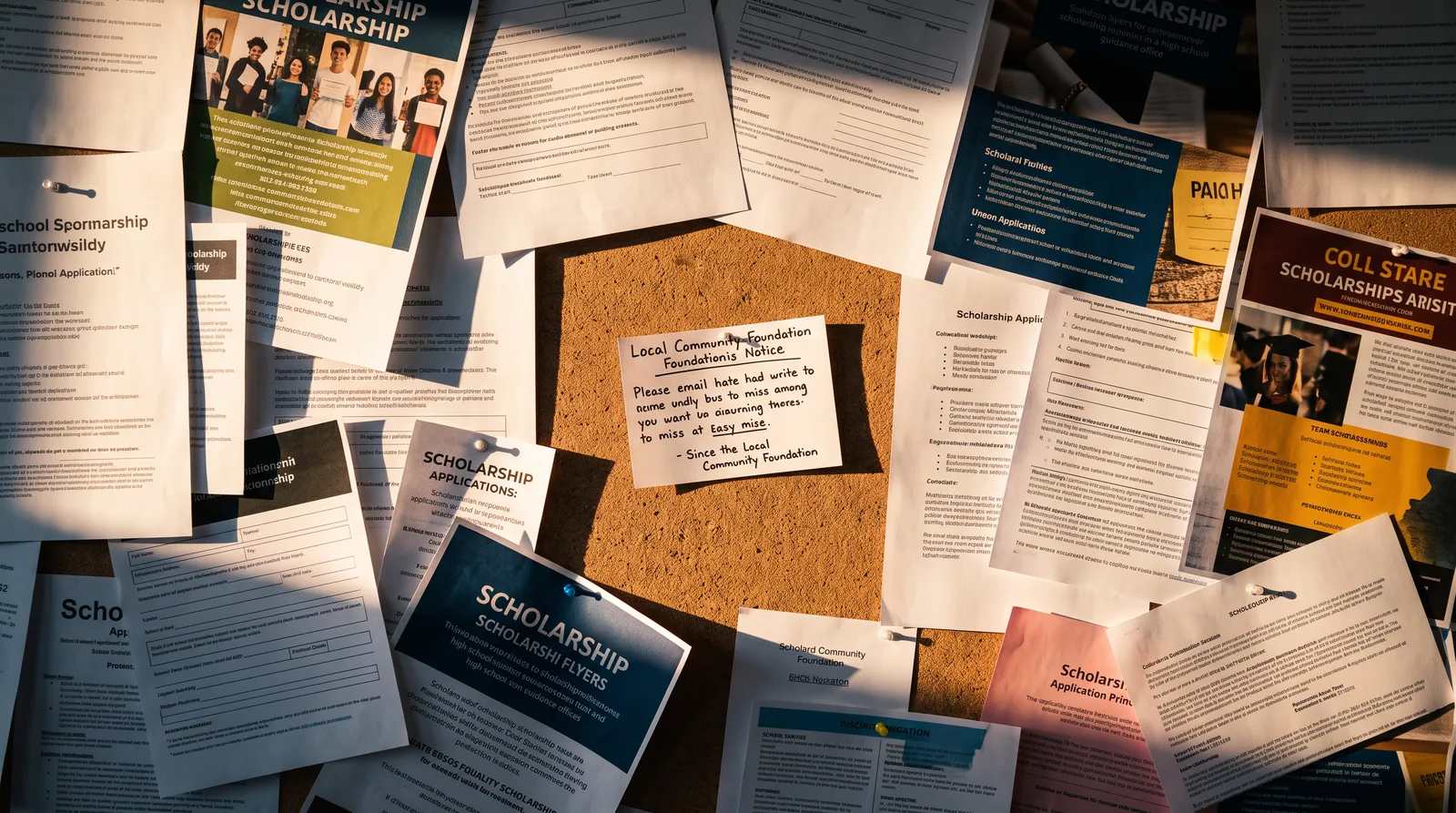


A missed grant deadline can cost more than a single award. It can delay a youth program, limit staffing, or leave families waiting for services your organization is ready to provide. The right grant writing course for nonprofits helps teams move beyond searching for funding and toward building proposals that clearly show funders why their investment will produce results.
For nonprofit leaders, educators, and community-based organizations, grant writing is not simply a writing task assigned when a deadline appears. It is a planning discipline. Strong proposals connect a documented community need to a specific program design, a realistic budget, measurable outcomes, and an organization capable of delivering on its promises.
What a Nonprofit Grant Writing Course Should Teach
A useful course should give learners a repeatable process, not a folder of sample proposals to copy. Funders vary in priorities, applications, reporting expectations, and allowable costs. The underlying work, however, is consistent: identify a strong fit, develop a credible project, make a persuasive case with evidence, and manage the award responsibly.
The first area is funder alignment. Many applications fail before the writing is evaluated because the program does not fit the foundation’s stated interests or geographic focus. A course should teach participants how to read guidelines closely, assess eligibility, and distinguish a genuine funding opportunity from a tempting but unsuitable one. Applying to every available grant can drain staff time and weaken focus.
The second area is program design. Funders do not invest in broad intentions such as “support students” or “strengthen the community.” They invest in clearly defined work. Learners should be able to describe who will be served, what services will be delivered, how often they will occur, who will lead them, and what changes participants can reasonably expect.
The third area is evidence and evaluation. Community stories matter, particularly when they show the human cost of an unmet need. Yet a compelling story must be supported by credible local data, research, participant feedback, or organizational records. A course should show how to combine those forms of evidence without overstating what a program can achieve.
Finally, strong instruction addresses budgets, attachments, and post-award management. A well-written narrative cannot overcome numbers that do not add up. Nor should a team seek funding it cannot track, spend, or report on according to the funder’s terms.
How to Evaluate a Grant Writing Course for Nonprofits
The best choice depends on your organization’s stage of growth. A new grassroots nonprofit may need help turning a mission into a fundable first program. A more established organization may need a system for managing a larger funding pipeline, improving outcomes measurement, or developing staff capacity. Before enrolling, identify the gap that is slowing your team down.
Look for a process, not just proposal templates
Templates can save time, but they cannot replace judgment. A generic needs statement will not reflect the conditions facing your neighborhood, school district, or target population. Look for instruction that explains why each proposal section exists and how to tailor it to different funders.
A practical course should walk learners through prospect research, project planning, narrative development, budgeting, review, submission, and stewardship. That sequence matters. Starting with prose before the program details and budget are settled often creates last-minute revisions and contradictions.
Expect measurable outcomes, not vague promises
The course should help you separate activities from outcomes. Hosting 20 financial-aid workshops is an activity. Increasing the percentage of participating families who submit complete aid applications is an outcome. Both belong in a proposal, but funders need to understand what will change because the activity occurred.
Good measurement is specific and realistic. If a small organization serves 40 students, it should not promise to eliminate a statewide achievement gap in one grant cycle. It can responsibly measure attendance, completion, knowledge gained, application submission, retention, or another indicator tied directly to its services.
Make sure budgeting is part of the instruction
Nonprofit teams often treat the budget as a final administrative step. In reality, it tests whether a program is operationally sound. Personnel, benefits, supplies, participant supports, technology, transportation, facilities, and indirect costs must align with the narrative.
Courses should explain the trade-offs in common funding models. Restricted grants can support a specific program but may limit flexibility. General operating support can strengthen the organization as a whole but is often more competitive. Some funders allow indirect costs at a published rate; others restrict or exclude them. A skilled grant writer knows how to follow each rule without undervaluing the true cost of service.
Build Capacity Across the Organization
Grant writing works best when it is not isolated with one staff member, volunteer, or consultant. Program leaders hold details about implementation. Finance staff understand costs and compliance. Executive leadership can articulate organizational strategy and partnerships. Frontline staff and participants often provide the clearest insight into community needs.
A course should help create a shared internal workflow. Decide who gathers data, who confirms program details, who reviews budgets, who approves final submissions, and who maintains grant records. Even a small organization benefits from a simple calendar that tracks prospect deadlines, required documents, reporting dates, and renewal opportunities.
This is especially important for organizations serving students and families. Education-access programs may need to demonstrate more than attendance. They may track FAFSA completion, scholarship applications submitted, college enrollment, persistence, academic progress, or parent participation. The right measures depend on the program model, available data, and the time needed for results to appear.
Practice With a Real Funding Opportunity
The strongest learning happens when a team applies the course process to its own work. Rather than writing a hypothetical proposal, select one qualified funding opportunity and develop the core materials: a need statement, project description, logic model or work plan, outcomes, budget, and organizational overview.
Start by answering a few difficult questions plainly. What problem are you addressing? Who experiences it most directly? What does your organization do that is distinct from existing services? What evidence supports your approach? How will you know the project worked? If those answers are unclear internally, they will be unclear to a reviewer.
A review process is equally valuable. Ask someone who did not write the draft to read it against the guidelines. Can they quickly identify the request amount, population served, activities, timeline, outcomes, and budget rationale? Do the numbers match in every section? Does the proposal answer the funder’s questions rather than the questions your organization wishes it had asked?
From One Proposal to a Sustainable Funding Practice
A grant award is an opportunity, not a business model. Nonprofits are healthier when they balance grant revenue with individual giving, earned income, public contracts, partnerships, and other sources appropriate to their mission. Grants can launch or expand high-impact programs, but overreliance on short-term restricted awards can create instability.
That is why grant writing instruction should also encourage stewardship. A funder relationship does not end at submission or award notification. Timely reports, accurate financial records, honest communication about challenges, and clear evidence of results build credibility for future requests. If an outcome falls short, explain what happened, what was learned, and how the organization will adjust.
Mikael Davis Academy’s Grant Writers Studio reflects this outcomes-focused approach: structured instruction designed to help mission-driven teams turn their expertise, evidence, and community commitment into stronger funding requests.
The goal is not to produce proposals that sound impressive. It is to help your organization make promises it can keep, demonstrate the value of its work, and secure resources that allow more people to benefit from it.